Tangible and Intengible Heritage

June 12, 2022 | 0 comments
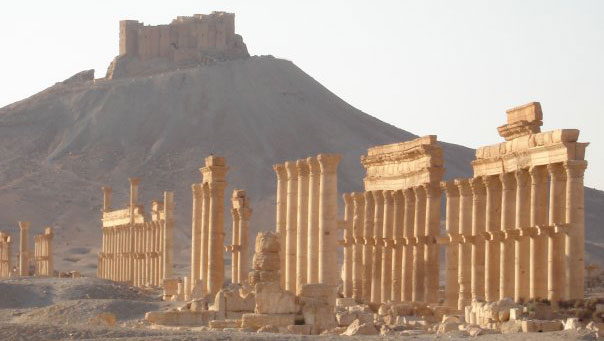
The intangible heritage must be seen as a broader framework within which tangible heritage takes on its shape and significance. Heritage objects are the tangible evidence of underlying norms and values. Thus, they establish a symbiotic relationship between the tangible and the intangible. Cultural heritage includes . tangible culture (such as buildings, monuments, landscapes, books, works of art,and artifacts), intangible culture (such as folklore, traditions, language, and knowledge), and natural heritage (including culturally significant landscapes, and biodiversity).
continue reading
Colonial Heritage
One impact of colonization is “pyschocultural marginality” or the loss of one's cultural identity along with social and personal disorganization. Such impact is produced when people are denied access to their traditional culture, values and norms leading to historical trauma and cultural alienation (Dalal, 2011).
continue reading

June 12, 2022 | 0 comments
Islamic Heritage
Islamic culture and Muslim culture refer to cultural practices which are common to historically Islamic people. The early forms of Muslim culture, from the Rashidun Caliphate to the early Umayyad period and the early Abbasid period, were predominantly Arab, Byzantine, Persian and Levantine.
continue reading

June 12, 2022 | 0 comments
Heritage Interpretation and Politics
So whose heritage is represented in public spaces? And who decides what is ‘our’ shared heritage? One observation that could be suggested is that the process of heritage formation is borne by conflict, civil disobedience, strikes, revolution and political movements.
continue reading
June 12, 2022 | 0 comments